How to Test and Fix Your Laptop Mic
Laptop microphones are convenient but often sound echoey or noisy. Learn how to test quality and critical tips to sound better on calls.
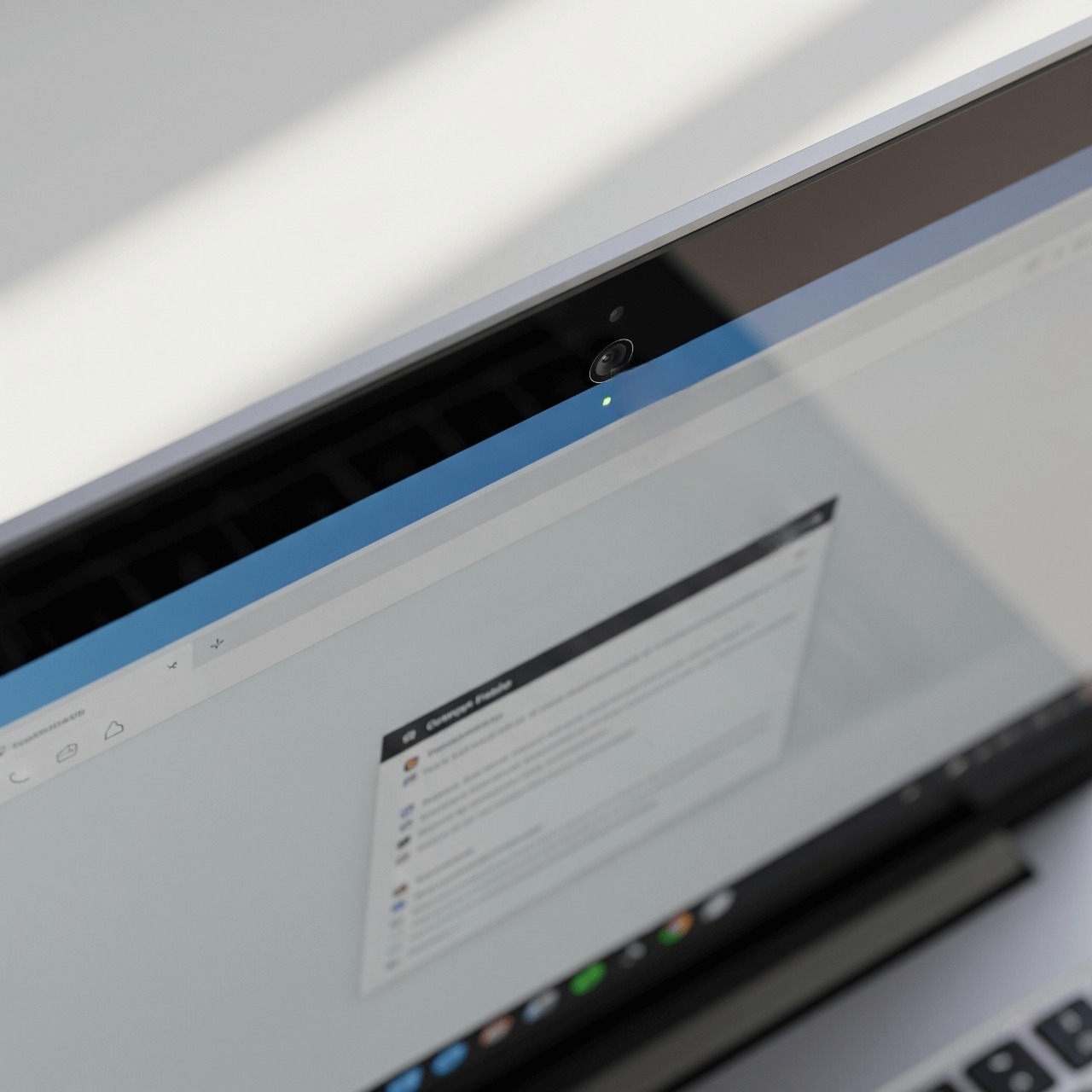
Built-in Convenient
Usually located right next to your webcam.
Every laptop has a built-in microphone, but they are often poor quality. If people complain they scan't hear you or that there's too much background noise (like fans or typing), it's time to test your settings.
Common Laptop Mic Problems
Why your colleagues might be muting you on Zoom.
Fan Noise
The mic is often inches away from the cooling fans. This creates a constant "whooshing" background hum.
Keyboard Clatter
Typing while unmuted? The vibrations travel through the laptop chassis directly into the mic, sounding like thunder.
Room Echo
Because the mic is far from your mouth, it picks up the entire room's reverberation, making you sound distant.
Steps to Improve Laptop Audio
Check Input Volume
Go to your System Sound settings. Ensure your Internal Microphone is selected and the volume slider is at 100%. Laptop mics are quiet and usually need max gain.
Enable Noise Suppression
This is crucial. In apps like Zoom, Teams, or Discord, turn "Noise Suppression" to High. This digitally removes the fan noise your mic picks up.
Use Headphones
Always wear headphones. This stops speaker sound from feeding back into the mic, which kills echo instantly.
Expert Advice
Get Closer
Common sense, but effective. Leaning in just 6 inches specifically when you speak can drastically improve the signal-to-noise ratio.
Upgrade when Possible
If you do professional calls often, even a cheap $20 USB mic or a pair of wired earbuds will sound significantly better than an expensive laptop's internal mic.